






For every marketing team, customer retention is always a goal to be achieved. But, until you reach this result, you need to use some strategies and tools that allow you to improve relationship management.
But in an educational institution, why maintain an ongoing relationship with parents? To answer this, you first need to understand that, like any company, a school needs to retain customers and keep them close at all times.
In the case of schools, the main decisive agents are precisely the parents.
With this in mind, now you can start to understand what a newsletter is for and what its role is when communicating with parents! Continue reading and become a CRM expert for your institution!
Newsletter for schools in practice
A newsletter is an email bulletin sent to contacts who have shown interest in receiving communications from the educational institution. It brings together content such as news, announcements, articles, events and educational materials, keeping the school present in the daily lives of parents, guardians and students. As part of CRM, the newsletter helps nurture leads, strengthen relationships along the journey and support after-sales, reducing dropout and increasing retention. When well planned, segmented and aligned with data protection rules, it becomes a direct, useful and relevant channel for its audience.
-
-
Strengthen relationships with parents, guardians and students throughout the journey.
-
Nurture leads with useful content about the school and its teaching model.
-
Keep the institution present in families’ minds at key decision moments.
-
Support dropout reduction and increase student retention.
-
Reinforce word-of-mouth marketing through consistent, quality communication.
-
What you will see in today’s content
-
What CRM is and why it is essential for student loyalty.
-
What a newsletter is and how it works in educational institutions.
-
Good LGPD practices when collecting and handling parents’, guardians’ and students’ emails.
-
How newsletters improve communication and lead nurturing for schools.
-
The 5 main tips to plan, create and send a newsletter.
-
Technical care with sender, layout, readability and mobile experience.
-
How to use automation, segmentation and metrics to optimize results.
-
The role of newsletters in after-sales, retention and reducing student dropout.
Enjoy your reading!
How to work better with CRM?
In marketing as a whole, one of the most important acronyms is CRM, for Customer Relationship Management which, in free translation, means Customer Relationship Management.
This acronym represents the combination of strategic actions and practices that aim to enhance and create better relationships and communication with the customer.
The main point that makes this item so relevant is simple: satisfied customers are loyal customers, however, for this contentment to exist it is necessary to work on the relationship before the sale even takes place.
In the user's journey, they need to feel the presence of the company to remember it at key moments, and it is with focal relationship actions that this is worked on in the user's unconscious.
To do this, you need to perform some actions such as:
- Creation of specific content for this audience;
- Sending nutrition flow emails;
- Application of surveys to understand the level of customer satisfaction;
- between others.
Based on these strategies, there is also the newsletter, a tool that can be fundamental in strengthening the bonds of this relationship. Understand!
More like this
- 5 reasons to invest in AI chatbot in your capture and retention
- WhatsApp marketing and online: how to create a successful campaign
- Find out how the AI chatbot can help your educational institution
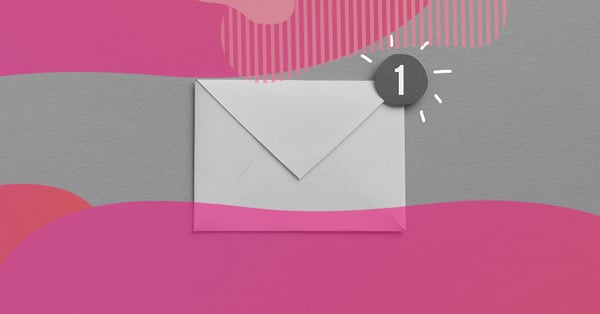
Image: The newsletter is a direct channel to strengthen your school’s relationship with parents, guardians and students.
What is a newsletter and what is it for?
Known as a newsletter,a newsletter It is a type of email with content that is sent to those contacts who have shown interest in receiving communication from the company.
It is triggered on a recurring basis, according to the frequency defined by the company, and is delivered to the list of interested parties who have indicated their desire to receive updates by making their contact email available.
In this type of email marketing, it is possible to send a variety of content, from news, articles and blog or website updates.
The newsletter is one of the most interesting ways to work on lead nurturing precisely because it makes it possible to carry out actions that enrich contact, while at the same time keeping the company present in the routine and imagination of this potential customer.
Beyond content and frequency, it’s crucial to make sure your newsletter complies with data protection laws.
Email addresses are personal data, so you need a clear legal basis to process them. In many cases, the simplest option is consent: parents, guardians or students explicitly agree to receive newsletters, event invitations and updates from your institution.
Your signup forms, landing pages and pop-ups should clearly state what type of content people are opting into and include an obvious, recorded opt-in action.
You should avoid adding contacts to your lists without this consent, and every email must contain a simple, working unsubscribe mechanism.
For educational institutions, this is even more sensitive, since many communications involve children and teenagers. Clear, up-to-date privacy notices and reliable consent records improve legal compliance and strengthen trust with families and students.
How to use this strategy to better communicate with parents?
And after all, how can this email marketing enable improved communication with students’ parents? If this is your question, check out the answer!
Having a list of contacts for sending the Newsletter is a way of knowing which leads are most willing to build a closer relationship with the company precisely because they have already demonstrated their interest.
With parents, this is a strong tool to open a direct and efficient channel where the team can disseminate relevant content, but also keep all interested parties up to date with what is being developed within the institution.
For example: a school that has high school classes can use the Newsletter to send an e-book with 10 tips to reduce children's tension during the pre-university exam period. Or, share a new post from the institution's own blog about the active methodologies used to prepare its students for the most diverse levels of assessments.
In short, the main objective is to nurture and be useful to these parents who want to know more about their children's student world.
The 5 unmissable tips on how to create a newsletter
If you have already understood the concept, importance and role of a newsletter when it comes to improving your relationship management with parents, the time has come to understand the first 5 essential steps to plan, produce and deliver your content.
To find out how to create a newsletter, check out our list of essential tips below!
1. Define the objective of your news
Before creating any type of content, you need to understand the objective for creating this material. It's time to ask some basic questions, but they will be of great value in better directing the creation and development of your company's newsletter.
To get started, ask the following questions:
- Why create this news?
- What is the audience profile for this material?
- What is the goal to be achieved with this content?
- And the periodicity?
- What is the recommended language?
From these 5 simple questions, it is possible to start planning according to the answers obtained. When passing on the demand to the team, it is important to hold a kick-off meeting to define the professionals involved, their functions, deadlines and other elements discussed.
Remember that this is a joint effort and requires different skills, from good copy to the management of CRM tools.
It is essential to keep in mind that the final material must always fill a pain point or prove useful so that it is considered relevant and interesting content, capable of keeping parents attentive to these notifications, and thus, you can convert these visitors into leads, and leads in customers..
2. Understand the direction to be used
After understanding and justifying the newsletter and holding the kick-off meeting, it’s time to define the direction of the content, based on the personas you’ve created, your goals and the chosen approach.
This is an extremely important step because, if the analysis of interested parents is not done correctly, all communication risks going down the drain as it proves to be inappropriate for the public and/or objective.
That said, study the elements discussed carefully to create a coherent and effective direction for your educational institution. If your focus is elementary school parents, look at the content that talks about and will be useful for this group of parents.
If the focus is on those responsible for high school students, make sure that the direction is in accordance with the standards and characteristics of this group.
This way, your newsletter will be able to be a success with the public and opening rate, being able to attract attention and ensuring that your email can always be a highlight in the inbox and not just another email. which will not be opened.
The relationship with the customer is always about winning.
3. Define and create a content plan
Without planning and organization, no strategy achieves its objective. This also happens when putting your newsletter into practice.
Prior organization guarantees the coherence and longevity of a communication rule involving this type of email.
Therefore, first define the main types of content to be sent and then organize your sending calendar so that production takes place with enough time before the shooting schedule.
As for the type of content, you can choose any of these depending on what best suits your objectives:
- sharing institutional blog content;
- institution meetings, events and webinars;
- relevant research and articles;
- important announcements and updates;
- ebooks and guides;
- between others.
By merging 2 or 3 types of content, it is now possible to create a varied and interesting plan for those who will receive the respective emails, which can generate a constant journey along the purchasing journey.
4. Define technical email issues
Like any product created, it is necessary to be aware of technical and visual issues that can significantly impact the delivery and understanding of the message.
From a more technical point of view, your email needs a compelling subject line and, above all, a sender name and address that inspire trust and are not interpreted as spam.
Even though they’re common, try to avoid generic and impersonal addresses such as:
- noreply@yourdomain.com
- donotreply@yourdomain.com
- marketing@yourdomain.com
- newsletter@yourdomain.com
- no-reply@yourdomain.com
- contact123@yourdomain.com
All these variations can be seen negatively by readers, thus causing the opposite effect to what was planned, distancing the user's attention.
In a Newsletter, it's not a good idea to be impersonal, and that starts with your email address.
Meanwhile, on the visual side, the Newsletter needs to contain a layout with high readability and readability, with a good organization of the elements used to compose the whole.
Therefore, pay attention to the weight of each image or text, as well as being careful with the colors displayed in the newsletter, the fonts and their respective sizes.
It is important to avoid any visual pollution that takes the reader's attention, damaging the performance of the email.
5. Make automation a great ally to optimize your delivery
In digital marketing, services that enable greater delivery with greater practicality are great allies to quickly and effectively put into practice everything that is created. It would be no different with the Newsletter.
Through automation, it is possible to schedule emails, carry out automatic triggers and cover all the contacts on the list at once, all of this optimizing the team's time and labor.
Today, on the market, there are several possibilities of software and platforms capable of performing this type of service, just find the one that best meets your needs.
With marketing automation, you don’t need to send the same newsletter to everyone. You can segment your lists by lifecycle stage (cold lead, consideration, current family), program or course interest, campus or previous campaign behavior.
The more relevant the message is to each segment, the higher your open and click-through rates tend to be.
You can also set up A/B tests for subject lines, preview text, CTAs, layouts and send times to see which combinations generate better engagement. Most automation and CRM platforms, such as HubSpot, provide built-in tools for A/B testing as long as you have enough contacts on your list.
Use your reports to track key metrics like open rate, click-through rate, unsubscribe rate and spam complaints.
These metrics help you fine-tune frequency, regularly clean your lists and comply with technical requirements from major mailbox providers, such as SPF, DKIM and DMARC authentication and one-click unsubscribe for bulk senders.
Finally, always test your newsletters on mobile devices.
A large share of email opens happens on phones, so responsive templates, readable fonts and touch-friendly buttons have a direct impact on user experience and campaign performance.
After-sales is essential to the company’s success!
Relationship management is an important issue before making the sale, during the process and even after converting the lead into a customer. Therefore, even after the final stage, it is necessary to continue nurturing this contact so that the institution remains relevant and continues to maintain its important status in the routine of these parents.
With well-produced and correctly targeted news, it is possible to send unique content, capable of keeping this audience interested and aware of the importance of keeping their children in an institution capable of offering quality education.
Furthermore, this can be an interesting channel for publicizing internal issues such as events, meetings or presentations. Whatever the objective, the newsletter serves well to nurture the relationship between the school and parents of students.
But always remember: if your content is not interesting, you will not be able to maintain a strong bond with those most interested in knowing what the school can offer to enrich their children's repertoire and experiences.
Apply the tips to improve your relationship management with parents!
These golden tips can help you go much further in using newsletters and exploring all their possibilities. Now you understand the main role of a newsletter and how to use it to communicate with your leads, reducing churn and increasing retention, while also strengthening word-of-mouth marketing as a result of consistent, high-quality work.
If you've come this far and are interested in the newsletter topic, there's another text that will please you! Check out our other blog post, "XXXX" and apply this strategy in different ways.
If you're still here, take the opportunity to leave your perceptions on the subject, existing doubts or even a criticism about this content in the comments. Leave your message below!

Frequently asked questions about newsletters for educational institutions
What is a newsletter in an educational institution?
A newsletter in an educational institution is an informational bulletin sent by email to contacts who have authorized receiving communications from the school or college. In this email, the institution can share news, updates, articles, blog posts, event invitations, meetings and other relevant content. The sending is recurring, according to the defined frequency, and aims to keep parents, guardians, students and leads informed about what is happening. This helps strengthen relationships and keeps the school brand present in people’s daily lives.
Why is the newsletter important for CRM and student retention?
The newsletter is important for CRM because it helps maintain continuous relationships with leads before, during and after enrollment. By nurturing contacts with useful content, the school remains present throughout the journey, reinforces its value and becomes a natural reference when families need to decide about their children’s education. This close relationship contributes to reducing dropout, increasing retention and strengthening word-of-mouth marketing, since well-informed families tend to trust the institution more and recommend it to others.
What LGPD-related care is needed when sending newsletters to parents, guardians and students?
When sending newsletters, it is essential to comply with LGPD, since the email address is personal data that requires a clear legal basis for processing. In many cases, the simplest basis is consent: the guardian or the student freely and knowingly authorizes receiving bulletins, invitations and updates from the institution. Forms, landing pages and pop-ups must clearly state what kind of content will be sent and include a visible, recorded opt-in option. It is important to avoid adding contacts without consent, always provide an easy unsubscribe link and maintain clear privacy policies, especially when communications involve data from children and teenagers.
What types of content can be sent in a school newsletter?
A school newsletter can include different types of content, as long as they are relevant to the audience and aligned with the institution’s goals. Possible items are: posts from the institutional blog, invitations to meetings, events and webinars, important surveys and articles, announcements and updates, as well as ebooks and guides. It is also possible to send educational materials, such as tips for pre-entrance exam periods or content about active learning methodologies. By combining two or three formats, the school creates a varied communication flow that helps maintain interest and supports both the buying and relationship journey.
How can I define the objectives, audience and tone of the newsletter?
Defining objectives, audience and tone is the first step to building an effective newsletter. The institution should answer basic questions such as: why create this newsletter, who is the target audience, what goals should be achieved, what will be the frequency and what tone is most appropriate. Based on these answers, it is possible to plan content strategically and align it with the defined personas. In schools, the focus is usually parents and guardians from different segments, such as Elementary or High School, which requires tailored approaches for each group. The tone should be clear, approachable and useful, always showing how the content helps families and leads.
How can I plan the frequency and sending schedule for the newsletter?
Planning is essential to ensure consistency and results. Before sending any email, the school must define what types of content will be included and how often the newsletter will be sent. Then it is important to build a sending calendar that allows time to produce and review materials in advance. This organization helps maintain a coherent, long-term communication flow, avoiding both silence and message overload. A well-structured calendar also facilitates alignment between marketing, sales and relationship teams, ensuring that strategic topics, such as key events and specific campaigns, are properly addressed in the newsletter.
What are best technical practices for school newsletters?
From a technical point of view, it is crucial to take care of both the sender and the visual aspects of the email. The subject line must be attractive, and the sender should convey trust, avoiding generic addresses such as “noreply” or “newsletter” that seem impersonal and may be seen as spam. Senders with a person’s name and a clear link to the institution usually perform better. In terms of layout, readability is the priority: well-organized elements, well-distributed text, attention to image weight, balanced colors and adequate font sizes. It is also important to avoid visual clutter, which distracts the reader and harms campaign performance.
How can automation, segmentation and metrics improve newsletter results?
Automation makes it possible to schedule emails, send them automatically and reach the entire contact base more efficiently. With it, the school can segment lists by journey stage, education level, course of interest, campus or previous campaign behavior. This makes each message more relevant to each contact, increasing open and click rates. Automation and CRM platforms also allow A/B tests for subject lines, preheaders, CTAs, layouts and sending times, and provide metrics such as open rate, click rate, unsubscribe and spam reports. These data help adjust strategy, clean the database and comply with major providers’ technical guidelines.
How does the newsletter support after-sales and ongoing relationships?
The newsletter is a strategic after-sales channel because it keeps contact active even after enrollment. Through useful content, event invitations, important announcements and materials that reinforce teaching quality, the school remains present in the daily lives of families and students. This helps consolidate the perceived value and relevance of the institution, supporting re-enrollment and reducing dropout. In addition, consistent and well-targeted communication strengthens the bond with the school community and contributes to word-of-mouth marketing, since satisfied parents are more likely to recommend the institution to others.























 Portugal