




Saying that the consumer has changed no longer means anything. It's almost like saying that the earth is round and rotates (laughs).
But what hasn't fallen by the wayside is to talk about our beloved Inbound Marketing and the various strategies we can use to get closer and closer to this changing consumer.
Undoubtedly, in recent months (and we would venture to say even in recent years), one of the themes that has been the center of attention in the most diverse marketing strategies, especially when we talk about the digital scenario, is the use of content in audiovisual format.
Obviously, this is no secret, given the growth of social networks in recent years. According to the 2025 global social media report from DataReportal, there are now around 5.24 billion social media user identities, representing almost 64% of the world’s population, who spend on average more than 2.5 hours per day on these platforms.
Well, it's also well known that this large number of users receives countless (almost countless) stimuli every day. You may have heard someone say that "if you're not paying to be on the Internet, it means you're what's being sold".
In case you haven't understood, the logic is simple: if you're not paying to expose yourself on networks, using paid media and related products to sell something, you, as a simple user, are a database to be used for some purpose (LGPD to fight this movement).
The fact is that if you're reading this post, you're probably looking to understand more about how to get your potential customer's attention using audio + video content, so let's get to it!
But first, if you're coming here for the first time, here's some background on Inbound Marketing.
Inbound Marketing with audiovisual content in practice
Inbound Marketing is an attraction methodology that uses relevant content to bring the right audience to your company, focusing on impact and relationship-building. In this context, audiovisual content (videos, audio, lives, podcasts and other formats) has become essential to get closer to today’s consumer, who spends hours a day on social media. By combining strategy, audience knowledge, sales funnel and SEO optimization, audiovisual content increases engagement, drives qualified traffic and makes your digital presence more efficient with lower investment.
-
-
Attract the right audience with relevant, strategic content.
-
Boost engagement through videos and audio aligned with audience interests.
-
Strengthen your presence on social and digital channels that drive traffic.
-
Optimize audiovisual content for SEO to expand organic reach.
-
Integrate videos and audio into the buyer’s journey and sales funnel.
-
What you will see in today’s content
-
What Inbound Marketing is and why it is called Attraction Marketing.
-
How content marketing and the correct use of keywords strengthen your digital strategy.
-
Why audiovisual content has become central in Inbound Marketing strategies.
-
Main benefits of videos and audio: engagement, convenience and ease of production.
-
The variety of audiovisual formats that can be part of your Inbound strategy.
-
SEO best practices and structured data to boost videos in search engines.
-
Step-by-step guidance to apply audiovisual content in Inbound: audience, script, recording, editing and consistency.
-
How technologies, data and CRMs help improve Inbound Marketing results.
Enjoy your reading!
What is Inbound Marketing and how to use it?Better known as Attraction Marketing, Inbound is nothing more than a methodology developed with a focus on impact.
One of the main pillars of Inbound is content marketing. Within it, the aim is to produce relevant, targeted and strategic content focused on bringing the right audience to your business.
The aim is to get potential consumers to come to your company through active and constant attraction.
To do this, it is essential to know the audience you want to reach very well, as well as your customer's buying journey. This will allow you to be more assertive in your marketing actions and in the production of content itself.
Within Inbound Marketing there are a multitude of tools that can be used, but the main ones are related to content: social networks, blog posts, email marketing, videos and any type of platform that generates traffic to your company's website or page.
Within these tools/media, it is always very important to use keywords correctly in order to achieve the best results on search monitors (such as Google).
Although media focused on outbound marketing also has its advantages, one of the main factors that leads many companies to focus more on inbound strategies is that it increases brand visibility, directly reaching the right audience with less money invested.
For example, it's much cheaper to invest in content on social networks or blogs than it is to invest in actions at the point of sale. This is because when you take your team to the point of sale itself, your stimulus will be received by several people and not just your target audience. As a rule, this logic means that the return on your investment is much lower in Inbound.
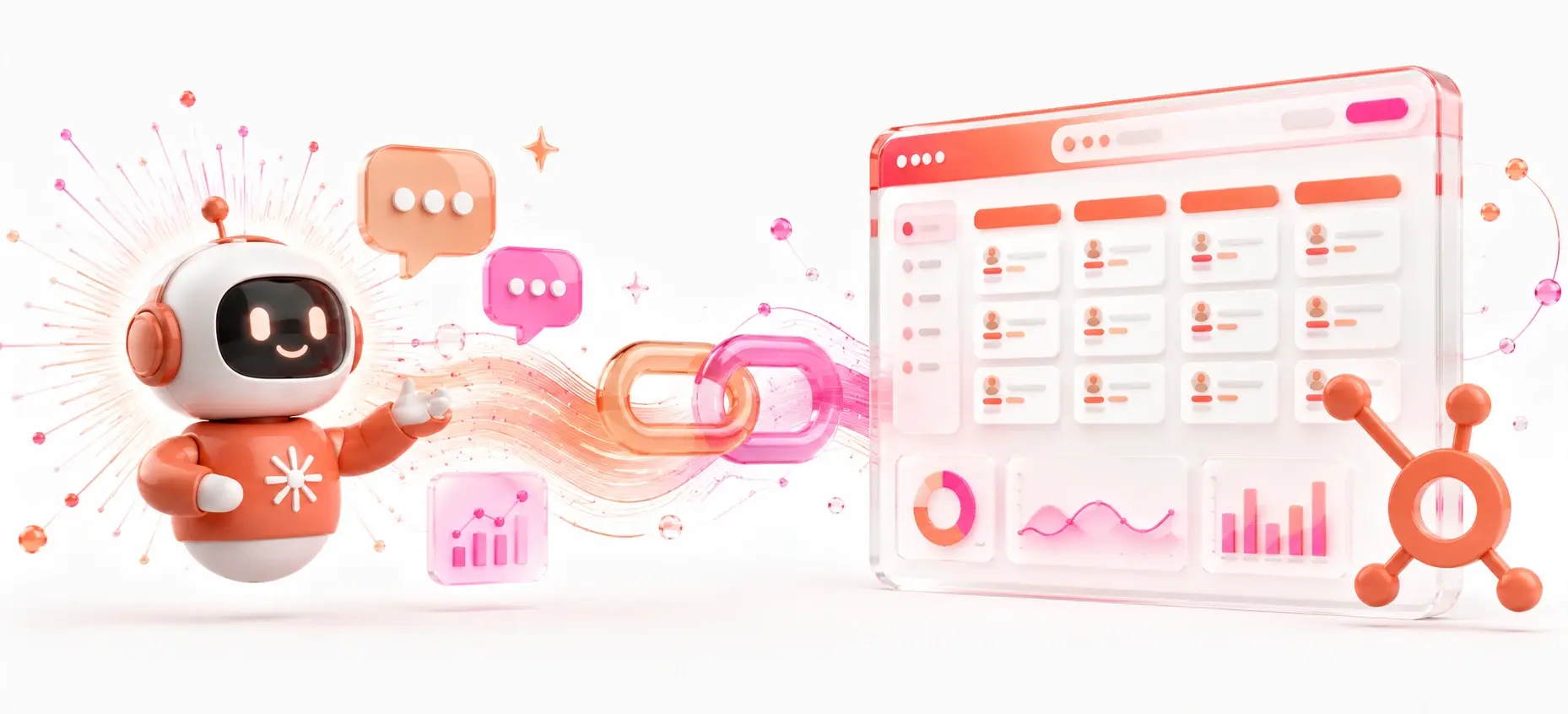
By the way, before we move on to another topic, we must mention that your Inbound Marketing strategy can be improved by using CRMs with a focus on Marketing, such as Hubspot.
Using intelligent data management to your advantage is crucial to achieving good results in Inbound! So it's well worth learning more about Artificial Intelligence, Big Data, Machine Learning and Chatbots in order to apply them to your company.
Okay, back to the point, what does all this have to do with audiovisual content? The answer is: everything!
The secret of marketing is to produce content where your audience is, and if they're consuming more videos, that's what you should do!
So let's get to know this universe a little more, shall we?
See also:
- Digital content: future trends in social communication
- Trends in podcast production for inbound content
- 4 tips for audiovisual production of digital content
Why invest in audiovisual content?
Since 2017, the video market has been gaining more and more attention from consumers, and the 2020 pandemic only accelerated this curve. Since then, online video consumption has become a core part of people’s digital routine.
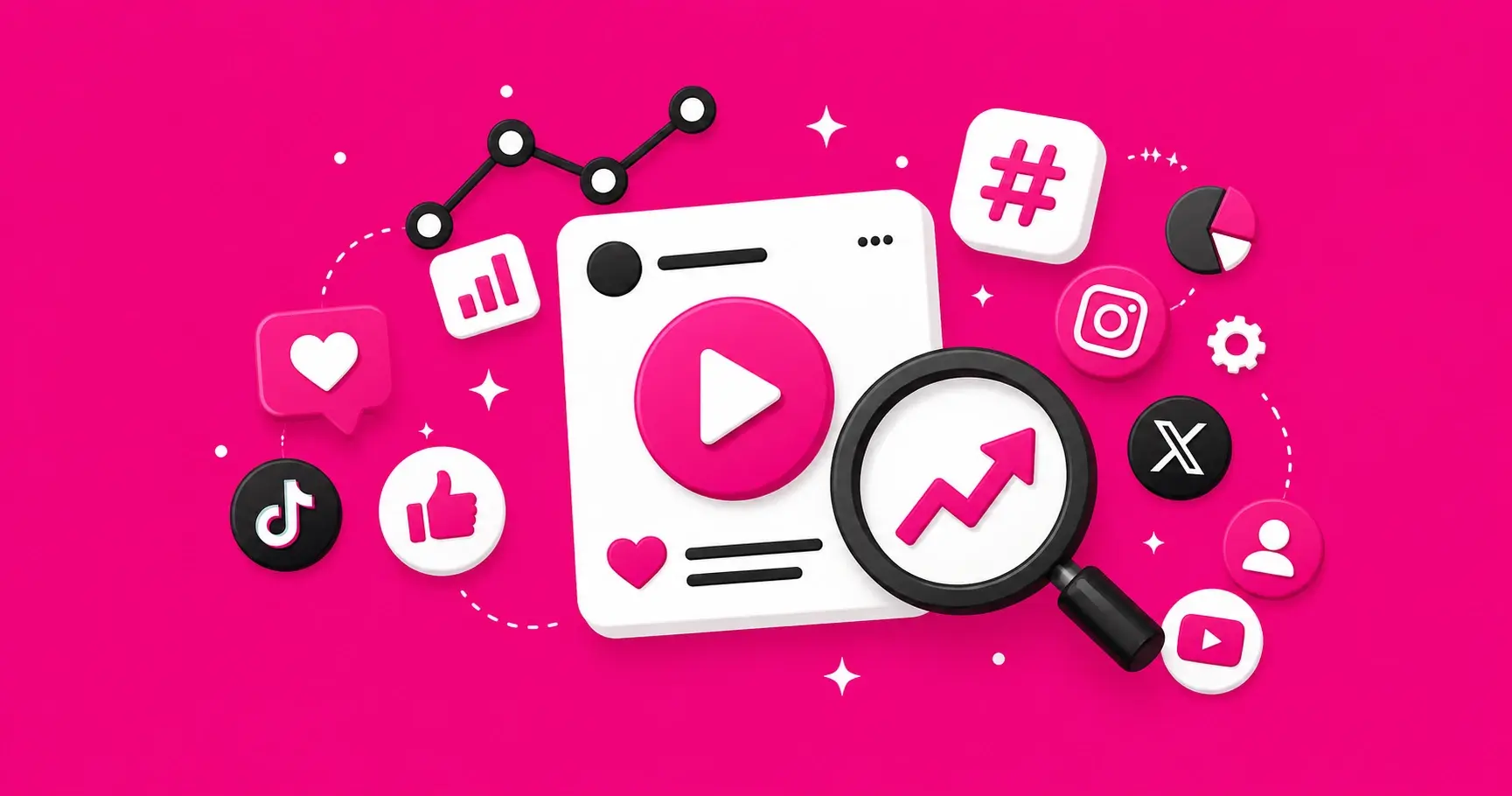
Stories, Reels, lives, Instagram videos, YouTube Shorts, TikTok and other video streaming platforms now play a central role in reach and engagement strategies. These short, dynamic video formats have become the default way people consume content on social media.
In Brazil, data from institutes like Kantar and DataReportal’s digital reports on Brazil show that more than 80% of people watch online video, and the country already has over 140 million active social media users. This proves that investing in audiovisual content is not a fad, but a strategic pillar of Inbound Marketing.
And what benefits does this strategy have for your Inbound Marketing strategy?
Videos help generate more interaction/engagement
Videos that speak directly to your audience tend to generate more engagement: comments, saves, shares, reactions.
Inaddition, well-structured content that really connects with the consumer at its core can bring good results when it comes to attraction.
They are available to be viewed as many times as necessary at the most convenient time, on the type of device your lead is using.
They are increasingly easy to produce
Anyone who thinks that videos need to involve a huge audiovisual production with countless transitions and cinematic effects is mistaken.
The digital media themselves have provided enough resources to produce interesting videos capable of capturing the consumer's attention. The biggest "job", so to speak, is to produce a script/content that is attractive enough.
Audio and video are practical
If one of the pillars of inbound is content, then nothing could be further from the truth than producing engaging content, right? Video fulfills this role well.
Good video storytelling is capable of reaching a much larger number of people than written content (we've already proved this here at Mkt4edu by turning some of our blog content into videos).
This is because people don't always have time to spend 7 or 10 minutes reading a blog post or article, and audio and video content optimize this time. People can listen to your content while they're in traffic, in the shower, having breakfast or anywhere else that suits them.
Beyond engagement, audiovisual content makes your inbound strategy stronger when it is optimized for SEO. Clear titles, descriptions, transcripts and thumbnails help search engines understand your video and increase the chances of appearing in organic results and rich video snippets.
When you host videos on your website, it’s worth implementing structured data markup with the VideoObject type, following Google’s video SEO best practices. This makes indexing easier, improves the search experience and can drive more qualified traffic to your key pages and lead generation assets.
Audiovisual content offers diversity of format
When we talk about audiovisual content, we're not necessarily just talking about a video itself. We're talking about the digital market!
And if anyone asks me how the digital market works, I'll answer "with diversity of content, formats and strategies".
And obviously this extends to audiovisuals! Producing podcasts, audio blogs, audiobooks, vlogs, interviews, webinars, lives, tutorials, sales lives...
These are just some of the possible contents within this universe.
Now that you know that this type of content can really help your inbound strategy, how can you apply it to your business? Here are some tips to get you started!
How to apply audiovisual content in Inbound Marketing?
1. First of all, get to know your audience
Within Inbound Marketing, you already know that it is essential to know your audience, so this logic should also be applied to audiovisual content, such as knowing which audience you want to reach and understanding what type of content they want to see/hear.
Obtaining the profile and characteristics of those who will receive this content is very important so that the content is assertive, strategic and uses the language of the audience you want to reach. After all, there's no point in being 100% formal if your audience is made up of people who aren't so formal. Right?
Oh, another tip is to use the sales funnel to structure your content according to the stage of the funnel your customer is in. It's interesting to divide the content between each stage of the sales process so that you can constantly address all audiences.
2. Make a roadmap
Avoid making content without defining a script. Remember that attraction marketing works like bait, so you have to say what connects with your target audience.
Define the central theme of your video or podcast, break it down into sub-topics to make it clearer and then write down what will guide your speech when you record it.
This saves recording time and prevents your content from becoming too long-winded in the eyes of your potential consumer. Remember that your message needs to be clear! There's no need to take 5 minutes to explain something that can be explained in 1 minute.
3. You don't need the best equipment, but you do need silence
Nowadays, home video production has become increasingly common (and that's fine). Big productions generate big expenses, and you don't necessarily need all that to begin with.
But you do need an organized, clean, visually unobstructed environment that allows you to record audio without interference. You can use a headset/microphone to help with this.
You should think about this: if I were surfing the internet and came across this video, what would I do? Would I go to the end? Would the noise get in the way?
These are very important points to consider!
4. Make a good edit
If possible, edit your videos well. Remove auditory noises, try to add transitions screens and perhaps some elements.
As we've already mentioned here, you don't need cinematographic resources for this, just use applications to help you do the job. Nowadays, there are a multitude of resources you can use, even for free.
Be willing to go after these apps and editing materials, they can make a difference to your result!
5. Be consistent
Last but not least, be consistent! It's important that you have a calendar with the content you want to record in audio and video. There's no point in posting a video today and another in 60 days' time.
If possible, try to plan out the month in advance! That way, you can get ahead of your productions with more time to re-record, edit if necessary and do whatever it takes to deliver quality content to your audience.
It's time to get to work!
Now that you know more about the need for audiovisual content within your inbound strategy and have learned some great tips for getting started, it's time to put it all into practice.
Always remember to study as much as you can about audiovisual productions, the topics that interest your audience and #borapractice.
By the way, if you want to learn a bit more about communication, take the opportunity to check out this post on our blog, Digital content: future trends in social communication.

Frequently asked questions about Inbound Marketing with audiovisual content
What is Inbound Marketing and why is it called Attraction Marketing?
Inbound Marketing is a methodology focused on attracting consumers to your company through relevant content, instead of interrupting them with ads. It is called Attraction Marketing because it uses strategic content to impact the right audience and build ongoing proximity. This approach is based on knowing your audience deeply, understanding their buying journey and producing materials that answer their questions. In this way, the company gains visibility, builds relationships and optimizes marketing investment by speaking to people who truly have the potential to become customers.
What is the role of content marketing within Inbound Marketing?
Content marketing is one of the main pillars of Inbound Marketing because it is through content that a company attracts, engages and educates its audience. The idea is to produce relevant, targeted and strategic materials so that potential consumers reach the brand actively and consistently. This content can be published on social media, blog posts, email marketing, videos and other platforms that drive traffic to the company’s website or pages. When keywords are used correctly, the strategy becomes stronger in search engines and broadens organic reach.
How does audiovisual content connect to the Inbound Marketing strategy?
Audiovisual content strengthens Inbound Marketing because it delivers the message in formats that the audience already consumes heavily on social media and digital platforms. Videos, audio, lives and other audiovisual pieces increase engagement, generate interaction and make content more compelling. They allow people to watch or listen at the time and on the device they prefer, creating a more practical experience. When aligned with the buying journey, these contents bring the brand closer to today’s changing consumer and help guide the audience through the sales funnel.
What are the main benefits of investing in audiovisual content for Inbound Marketing?
Investing in audiovisual content brings benefits such as higher interaction, reach and audience retention. Videos aligned with consumer interests tend to generate comments, shares, saves and other engagement actions. They are also practical to consume, as people can watch or listen while doing other daily activities. Production has become more accessible thanks to native tools on digital platforms. When optimized for SEO, titles, descriptions, transcripts and thumbnails help increase organic traffic and strengthen brand presence in search engines, making audiovisual content a strategic pillar within Inbound.
What types of audiovisual content can be used in an Inbound strategy?
An Inbound strategy can include various audiovisual formats, such as short videos for social media, stories, lives, podcasts, audio blogs, audiobooks, vlogs, interviews, webinars, tutorials and live sales sessions. This variety allows you to adapt language and depth to different funnel stages and audience profiles. While short videos can attract and spark interest, longer formats such as webinars and podcasts help deepen the relationship and educate leads. The key is to choose formats that make sense for your audience and your brand’s goals.
Do I need professional equipment to produce good videos and audio?
You do not need professional equipment to start producing good video and audio content. Home production has become common and viable as long as a few care points are observed. An organized, clean and visually uncluttered environment helps with visual quality. For audio, it is essential to reduce noise and seek silence, using headphones or simple microphones when possible. More important than having the best equipment is ensuring that the message is clear and that the consumption experience is not harmed by interference. The main focus should be delivering value to the audience.
Why is a script so important when producing audiovisual content for Inbound?
A script is important because it guides the content and ensures that the message is delivered clearly and objectively. Without a script, videos or audio often become wordy, confusing or longer than necessary for the topic. By defining the main theme, organizing subtopics and structuring the speech, you save recording time and make it easier for the audience to understand. In Inbound Marketing, where content acts as a hook to attract, every minute matters. Explaining something in one minute instead of five improves the consumer experience and increases retention.
How does SEO fit into the strategy for audiovisual content in Inbound Marketing?
SEO is essential for audiovisual content to be found in search engines and generate qualified traffic. Titles, descriptions, transcripts and thumbnails should be strategically crafted using keywords relevant to the audience. When publishing videos on your website, implementing structured data markup of the VideoObject type helps search engines better understand the content. This facilitates indexation, improves the user’s search experience and increases the chance of appearing in organic results, including video rich snippets. Thus, audiovisual content not only engages, but also expands organic reach.
What is the role of CRMs, data and technologies such as AI and Big Data in Inbound Marketing?
CRMs and data technologies such as Artificial Intelligence, Big Data, Machine Learning and Chatbots make Inbound Marketing strategies more intelligent and accurate. With a marketing-focused CRM, you can organize and monitor relationships with leads, identify behaviors and personalize communication. Data and automation help optimize campaigns, segment the audience more effectively and deliver more relevant content at each stage of the journey. When these tools are integrated with content production, including audiovisual pieces, the company boosts results and makes better use of every interaction with consumers.
Why is consistency so important in producing audiovisual content?
Consistency matters because it builds habit, creates expectations in the audience and strengthens brand presence over time. Posting one video today and another only many days later tends to dilute the impact of the strategy. Maintaining a content calendar for audio and video helps you organize recording, editing and publishing in advance. This ensures quality, allows for adjustments when needed and keeps the communication flow active. In the context of Inbound Marketing, consistency is a key factor for attraction and relationship-building with the audience to remain continuous and sustainable.
See you next time!























 Portugal