When we talk about social networks, both Facebook and Instagram are the first options that come to mind. But what about LinkedIn, how does it work?
When it comes to being a social network for professional relationship, recruitment and information purposes, no one beats LinkedIn.
While other social networks increasingly invest in sharing moments, ideas and sensations, LinkedIn's main objective is to create commercial interactions.
But in the midst of all this, doubts arise how to prospect leads on LinkedIn. Furthermore, how to get increasingly qualified leads amidst so many movements, strategic proposals and innovation? That's what you will discover now, including the new company-targeting feature in Campaign Manager.
How to prospect on LinkedIn?
If you have experience with other social networks and are just starting out in the world of this gigantic network, you may have noticed that the content, themes and interactions are much more formal and professional. This becomes clear when we think about the proposal of the network itself. However, when we imagine prospecting for leads, knowing how to position yourself can be a challenge for those who are not prepared.
First of all, it is necessary to understand that the gateway to achieving good and qualified prospecting is to make use of what matters most on LinkedIn: information. This is because you can have access to a lot of information that helps your pre-sales process.
Contact is made easy and information such as job title, company and chat are available at any time. All of this makes your qualification much easier. This way, you eliminate leads outside your scope and invest time and resources in leads that are true opportunities.
It is extremely important to take into account that as much time as you have your lead's background, they also have yours. That colder approach that happened not long ago of introducing yourself from scratch, telling the company's entire story, doesn't work very well on LinkedIn. So it's always good to know your lead very well.
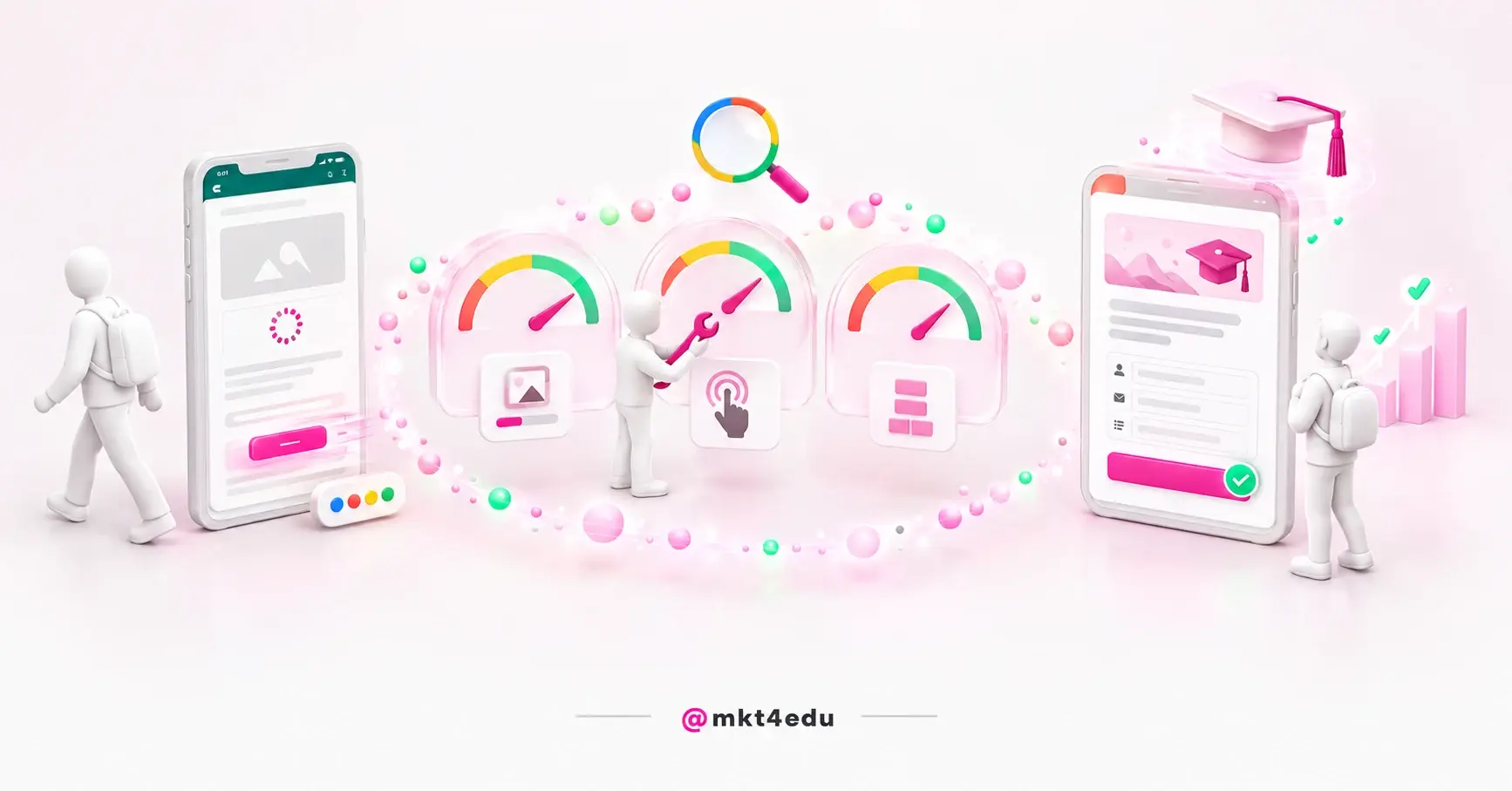
 Caption: The scene shows the path from the professional network to company-level targeting in the Companies Hub, prospecting leads on LinkedIn.
How to prepare and apply inbound marketing?
PROFILE: As we said previously, your entire profile/page is exposed to your lead. What makes a complete and well-organized profile attractive and incomplete data repulsive/disregarded.
As it is your business card, your profile must offer an experience that tells what your institution is and how it can be relevant to whoever is viewing it. In other words, you have to be enchanted right away!
Keeping your profile optimized is essential to making a good impression on potential leads. This includes using a professional photo, a headline that clearly reflects your role and expertise, and a summary that highlights your key skills and achievements.
A well-designed profile conveys credibility and can be the difference-maker when it comes to making new connections.
The competition is close by and those who don't prepare and develop good content are left behind. Because it is through content that people feel attracted or not to what you say and defend.
Creating strategic content is key to attracting qualified leads on LinkedIn. Posts that address common problems for your target audience, share valuable insights, or demonstrate your industry expertise can position you as an authority on the topic.
This type of content not only engages your network, but also attracts professionals who are looking for specific solutions, increasing the chances of conversion.
CONTACTS: Building your network of contacts doesn't happen overnight. Once you have a well-structured, organized and content-filled profile, understanding how interactions on the network work is the next step. Basically, you have your direct connections (friends) and indirect connections (friends of your friends).
Just like a spider's web, your friends' indirect contacts can also receive your connection request. This way, you can scale your requests and prospect in quantity.
Remember that these tips will help you prospect through your personal profile. Your institution's profile works like a fan page. Connecting to your institution's page will give you the status of “representative” of your brand. As long as it shows influence through your content.
RELATIONSHIP: Now that people know that you represent your institution, your relationship with these people to turn them into leads and, in the future, into students takes place through your content. But new content? Yes! It's not just sharing what your university posts.
Ideally, you complement what is displayed by your institution from a professional point of view. We must never forget that LinkedIn is a professional network and that is why it is important to position yourself in this way.
This is the way to apply inbound marketing on LinkedIn. Because it is precisely at this moment that your inbound strategies, previously applied on other networks, must be positioned according to the profile of your connections.
Network Tools
Groups - using interest groups to prospect is an excellent way to find leads with common interests. In the same interest group, you can find your gold mine of leads.
In addition to making it easier to connect with professionals with similar interests, LinkedIn groups now allow direct messages to be sent between members, even if they are not first-degree connections.
This feature is especially useful for users of the free version of the platform, as it expands the possibilities for contact without the need for paid InMails.
However, it is important to note that this option is only available when the message is initiated from the group itself, reinforcing the importance of active participation in these communities.
InMail - this messaging system allows more formal and invasive contact, such as using the telephone, to not be mandatory. This can increase your conversion and help you build a more assertive approach strategy.
Effective InMail usage requires a personalized and strategic approach. Generic messages tend to have lower response rates. Therefore, it is recommended to personalize each InMail by highlighting how your proposal can meet the recipient's specific needs.
Additionally, including a clear and objective call to action can significantly increase the chances of engagement.
Note: to send messages to people who are not part of your connections, you must subscribe to the premium version of LinkedIn.
Search: with the use of smart filters, you have access to a refined search. You can search for your leads by name, title, subject groups and even articles. Focus on using the best terms and prioritizing your persona, as this is when you can qualify your prospecting and leads.
To further enhance prospecting, LinkedIn offers Sales Navigator, a premium tool that provides advanced search filters, alerts about changes to profiles and companies, and allows you to create organized lists of leads for follow-up.
Although it is a paid solution, Sales Navigator can represent an excellent return on investment for professionals looking for active and targeted prospecting.
LinkedIn offers many options and paths for those who want to prospect, meet and capture leads. As long as it is used correctly, this professional network has everything you need to make a difference in your fundraising routine.
Summary: LinkedIn is a powerful B2B prospecting platform with tools like strategic content, InMails, groups, filtered searches, and Sales Navigator. Optimized profiles, relationship-building through relevant content, and personalized outreach boost lead conversion. When used correctly, it becomes an essential tool for inbound marketing strategies.
How to target specific companies with LinkedIn's Companies Hub?
On September 16, 2026, LinkedIn published an updated overview of the Companies Hub inside Campaign Manager, with a four-step framework for prospecting and advertising to specific companies.
- Import your data: upload a company list or connect your CRM to combine LinkedIn insights with first-party data.
- Analyze engagement: use the Companies dashboard in Campaign Manager to see which accounts are engaging with your organic and paid content, filtered by engagement level and seniority.
- Segment by stage: retarget high-engagement companies and build audiences from CRM data to capitalize on the right opportunities.
- Track continuously: follow engagement with follow-up campaigns to understand where that company sits in the buying journey.
For universities with executive education or corporate partnerships, this replaces a generic institutional ad with a campaign aimed at the companies the institution has already mapped as targets — large-account HR teams, for example — instead of relying only on job-title or industry targeting.
Frequently asked questions about prospecting leads on LinkedIn
Is LinkedIn worth it for lead prospecting?
Yes. No other social network combines job title, company, and buying intent in one place the way LinkedIn does, and that changes the math on cost per qualified lead. A well-maintained profile, strategic content, and the right use of Groups, InMail, and Search already deliver qualified prospecting at no media cost.
The investment comes in when you want to scale: Sales Navigator deepens search and individual lead tracking, and Campaign Manager's Companies Hub takes that to the account level, letting you target the exact companies your institution has already flagged as priorities, ideal for executive education and corporate partnerships.
If you still have questions about applying inbound marketing to this kind of prospecting, or want tailored guidance for your institution, get in touch with our team.













 Portugal