






The projection that 25% of people will spend at least one hour per day in the metaverse by 2026 helps explain why immersive experiences gained momentum. In practice, “metaverse” is often an umbrella for digital environments that may be accessed via VR, AR, or even traditional screens, depending on the use case.
However, will we really see changes related to the market with the arrival and popularization of virtual reality or Metaverse?
Virtual reality and the Metaverse: what they are and which markets may emerge
Virtual reality (VR) uses modeling and simulation so a person can interact with an artificial 3D environment. It engages sight and other senses, often through headsets and motion sensors.
The “metaverse” commonly acts as an umbrella term for digital environments, accessible via VR, AR, or even traditional screens. In practice, VR is a type of immersive experience, while the metaverse often involves persistent and social environments. With that foundation, potential markets include world building, immersive storytelling, security, and education.
-
-
Understand VR as immersion and interaction in 3D environments with visual and audio stimuli.
-
Separate VR from the metaverse in planning, considering access by headsets or screens.
-
Consider XR (VR and AR) and standards like OpenXR to broaden compatibility and reduce dependency.
-
Review potential markets: world development, storytelling, security, education, and research.
-
What you will see in today’s content
-
The forecast of daily time spent in the metaverse and why immersive experiences have gained ground.
-
What “metaverse” commonly means in practice and how it can be accessed via VR, AR, or traditional screens.
-
What virtual reality is, how it works, and examples like VR headsets and 360º virtual tours.
-
The separation between VR and the metaverse in planning and the idea of XR (VR and AR) with OpenXR.
-
Markets that may emerge: building ecosystems and worlds.
-
Metaverse focused storytelling and the creation of immersive experiences and missions.
-
Security management in virtual worlds, also covering identity, moderation, personal data, and consent.
-
Metaverse education and possibilities for more interactive and accessible classes.
-
Immersive games, uses beyond entertainment, and care when virtual economies and monetization exist.
In this post, we will talk a little about virtual reality and which markets and professions could emerge from this new area.
To check it all out, keep reading!
What is virtual reality?
Virtual reality (VR) is the use of computer modeling and simulation that enables a person to interact with an artificial 3D environment, engaging vision and other senses. In many cases, this is delivered through headsets and motion tracking, but “VR” is the immersion and interaction concept, not an operating system.
A well-known example of virtual reality are, precisely, the glasses virtual reality. When using them, it is possible to have the feeling of being inside the environment that is being viewed through the device.
Another popular use is the virtual tour. The user sees a series of 360º images of schools, colleges, or other venues. Every environment can be explored in an immersive, complete way.
A virtual reality works with visual and sound stimuli, which must make sense of each other. Furthermore, there is the possibility for the user to interact with the environment or objects, according to the system configuration.
More like this
- Metaverse: discover the universe of virtual reality
- How to be responsive and relevant in search
- Possible new markets that will emerge with virtual reality
What markets will emerge with virtual reality?
Now you understand virtual reality a little better. It’s time to look at how these and other technologies can create promising new markets for this new reality.
- Development of ecosystems and worlds;
- Storytelling aimed at the Metaverse;
- Security management for virtual worlds;
- Education of Metaverse;
- Research science.
Do you want to understand how each of these markets will work?
A practical step is to separate VR from the “metaverse” when planning. VR is a type of immersive experience; the metaverse often refers to persistent, social environments that may or may not require a headset. In education projects, thinking in XR (VR and AR) helps you target multiple devices and standards like OpenXR, reducing dependency on a single vendor.
Continue reading to understand the possibilities that this new world will offer us!
Development of ecosystems and worlds
One of the pillars of Metaverse and its own virtual reality are the worlds created within this technology. After all, it will be within these places that users will have their experiences.
So a marketplace focused on developing ecosystems for virtual reality is expected to appear. There, institutions can hire a team to create environments that sell products or services, directly or indirectly.
Professionals in these development ecosystems may come from familiar areas. Think administration, human resources, and marketing, plus the technology sector itself.
Storytelling aimed at the Metaverse
In today's world, storytelling clearly creates connections between companies, brands, and audiences. We believe it will be no different in the virtual world of the Metaverse.
Beautiful, modern environments alone will not captivate the public. It will also take immersive experiences and missions that tell the organization's story and place your client inside that scenario.
A storytelling market aimed at the Metaverse is therefore likely to emerge. It will serve institutions and brands that want to activate their audiences inside this environment.

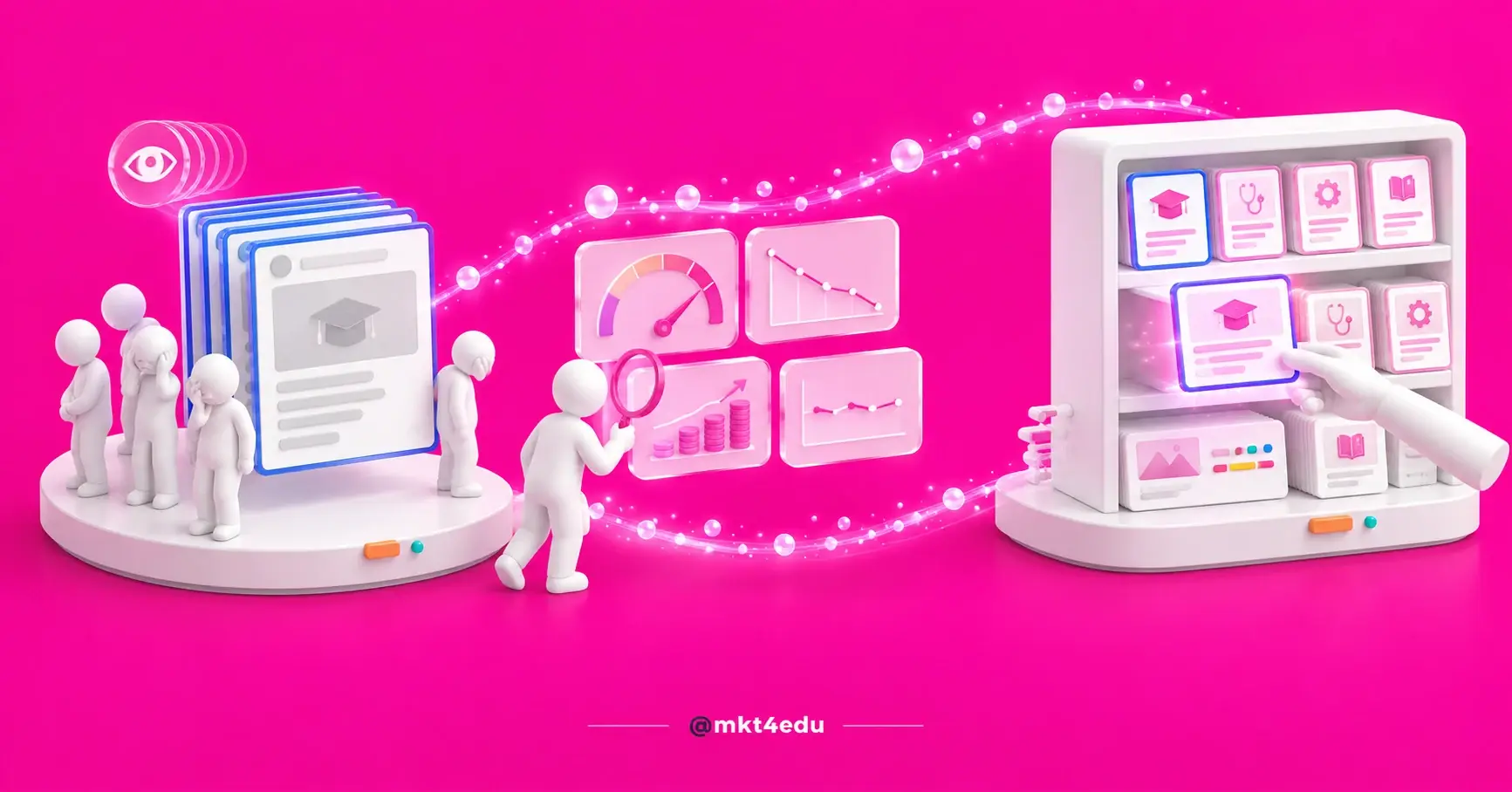
Image: An example of virtual reality interaction that helps explain experiences in the Metaverse.
Security management for virtual worlds
When you start to understand what Metaverse is, a question that is commonly raised is regarding the security of these environments. After all, confidential information or even money can be easily obtained by hackers if the virtual location does not have good security.
In this way, we will be able to see the creation of a market aimed at ensuring security in industrial environments. Metaverse, creating and monitoring strategies digital security so that data and users' money is safe.
For education organizations, security is not only about “stopping hackers”. It includes access control, identity management, moderation, personal data protection, and consent records, especially when minors are involved. A practical way to organize this is to map risks, controls, and ownership using the NIST Cybersecurity Framework, even if the initiative is still a pilot.
Currently, we can already observe several technology engineers who are specializing in systems security and who will be able to work effectively and easily within the Metaverse.
Metaverse Education
With so much that is new, people will be needed to guide and teach everyone else. Topics include virtual reality, the Metaverse, NFTs and the other technologies of this new world.
However, the teaching does not need to beWith restricted only to topics related to the Metaverse: lots of schools and colleges will be able to use technology to be able to teach classes to students from anywhere in the world.
Different environments can also make classes more interactive. Imagine a Geography class taught in a setting that simulates the country's soil types.
Immersive games
In Brazil, the games market is a success, and the tendency is for this area to gain even more space for innovation with virtual reality. In fact, there are already games that use this technology, such as VR chat and Beat Saber.
However, anyone who thinks that games can only be used for entertainment purposes is mistaken. In the educational area, for example, it is possible to create situations that integrate the knowledge learned in class to be resolved.
In some platforms, beyond entertainment, there are virtual economies where users buy and sell digital items (such as skins, passes, and in-world assets). When monetization is part of the experience, make the model clear. Explain the basic protections against fraud and privacy risks. Remember: “mining” is a different concept, tied to proof-of-work mechanisms in blockchain networks.
Now you know the new markets that may open with virtual reality. You can adapt your business to one of these areas, or create a new product or service for this demand.
Do you still have any questions about the Metaverse? Then it is recommended that you check out this other onepost on our blog where we explain better what this new feature is and its main trends.

Frequently asked questions about virtual reality and the Metaverse
What is virtual reality?
Virtual reality uses modeling and computer simulation for interaction with an artificial 3D environment. It engages sight and other senses, often through headsets and motion sensors.
Are the metaverse and virtual reality the same thing?
No, virtual reality is a type of immersive experience, while the metaverse often involves persistent and social environments that may or may not use a headset.
How can the metaverse be accessed?
The metaverse can be accessed via VR, via AR, and also through traditional screens, depending on the digital environment’s purpose.
What are common examples of virtual reality use?
Common examples include VR headsets and virtual tours with 360º images of schools, colleges, and other venues for an immersive review of their spaces.
How does virtual reality work during the experience?
The experience works with visual and audio stimuli that need to make sense together and may allow interaction with the environment or objects, depending on the system configuration.
Which markets and areas may emerge with VR and the metaverse?
Markets may emerge such as ecosystem and world development, metaverse focused storytelling, security management for virtual worlds, metaverse education, and research science.
What does ecosystem and world development involve?
It involves creating environments where users will have experiences, and institutions may hire teams to build spaces aimed at selling products or services, directly or indirectly.
Why may storytelling gain ground in the metaverse?
Storytelling may be needed to create connection and engage the audience with immersive experiences and missions that tell the organization’s story and place the customer in that scenario.
What does security mean in virtual worlds, especially in education?
Security includes not only protection against intrusions, but also access control, identity management, moderation, personal data protection, and consent records, especially when minors are involved.
How can immersive games go beyond entertainment?
Immersive games can be used in education to create challenges that apply knowledge from class. There are also platforms with virtual economies where digital items are bought and sold.
What should be considered when there is monetization and a virtual economy on platforms?
Where digital items are bought and sold, make the model clear. Spell out basic precautions against fraud and privacy issues. “Mining” is another concept, tied to proof-of-work mechanisms in blockchain networks.


























 Portugal