






With the age of social networks, it is key to take care of the company's brand, in order to avoid image crises, which constantly occur through complaints and negative feedback that are recorded on the internet.
Despite being a good business and marketing opportunity, company branding with a digital presence has its risks. This is because on social media, a negative review from a consumer is visible to anyone.
Therefore, you need to be prepared to face unpleasant situations like this, as an inappropriate reaction can, in fact, cause serious damage to the brand's image, since word of mouth on the web is so fast and relentless.
And for an educational institution? How to deal with image crises on your Educational Institution’s social media? See the tips below!
1. Manage crisis well
The absence of a well-defined organization and good management is one of the first mistakes that contributes to an image crisis on social media. The lack of rollout of an effective campaign on social media can be quite damaging to the image of an Educational Institution. .
Your school needs this on paper. What are the goals. What you will do on social media. What you will post. Who runs it. And what moves the needle on how many people see you and what they think of your school.
Therefore, the indicated before having a digital presence on social media, is to make a digital marketing consultancy for the institution.
A digital marketing consultancy helps, but it is not the whole job. The school also needs a communications plan of its own, one that covers how to prevent a crisis and how to run one.
This plan should include defining response protocols, finding spokespersons, and training staff to deal with adverse situations, ensuring effective communication aligned with the institution's values.
2. Constantly monitor social media
This part matters. Lose the thread of what people are saying and you lose control. Every reader and every follower has to feel heard, with a question, a tip, hard words, or a full complaint. Show them you get the problem. Then promise you will help, and fix it.
And in the case of educational institutions, if, for example, there is a problem with a student and he registered it in the social media comments, pay close attention and respond with great caution and firmness, stating that it was an unexpected problem and that it will be resolved.
This can be done through monitoring tools. They are key to keep adequate management on social networks, and in addition to keeping organization, they can highlight your Educational Institution for its good service.
The creation of crisis committees is a recommended practice for educational institutions, as it allows for a coordinated and effective response to key situations.
Build the committee from across the school: communications, legal, teaching, and admin. Many heads on the table is what lets you work a crisis from every side.
According to a study by the Goiano Federal Institute, the formation of crisis management committees contributes significantly to mitigating negative impacts on the institutional image.
Say a student hits a problem and posts about it. Read it closely and answer with care, but with a firm hand. Tell them it was not meant to happen and that it will be sorted. An unhappy student who complains in the open, for everyone to read, can cost your school leads. It can cost you students.
Social media plays a big role in building and perceiving an institution’s image. Negative comments or poorly managed crises can spread quickly, damaging an institution’s reputation.
Therefore, it is crucial that educational institutions constantly monitor their social media and be prepared to act quickly in crisis situations.
A study published in the journal Texto Livre highlights the importance of effective communication strategies to deal with the issues posed by social media in the educational environment.
SEE TOO:
- LinkedIn and attracting new students;
- Social networks for colleges: visibility, engagement and results;
- 4 tips for putting together a perfect social media plan.
3. Be as quick as possible in your responses
Speed in these cases is everything, it is in fact unacceptable in a social media marketing strategy for the student to be left alone. This makes them feel abandoned in the comments.
4. Avoid automatic responses
Make dialogue a communication between humans. What does that mean? It is key that the student has the impression of being in front of another human being. Therefore, avoid mechanical and automatic responses, it is needed that the responses are unique and specific in each comment.
Acting in this way on social media has the power to disarm much of the aggressive charge of those who post a negative comment, promoting a relaxed and reasonable dialogue.
Maintaining transparent and proactive communication is key during an image crisis. Informing the academic community and the general public about the measures adopted, even if partial, shows commitment and responsibility.
The Federal University of Alagoas faced an image crisis and, by adopting a transparent stance, was able to minimize the damage to its reputation.
To do this, you need an automation system appropriate marketing strategy for your Educational Institution.

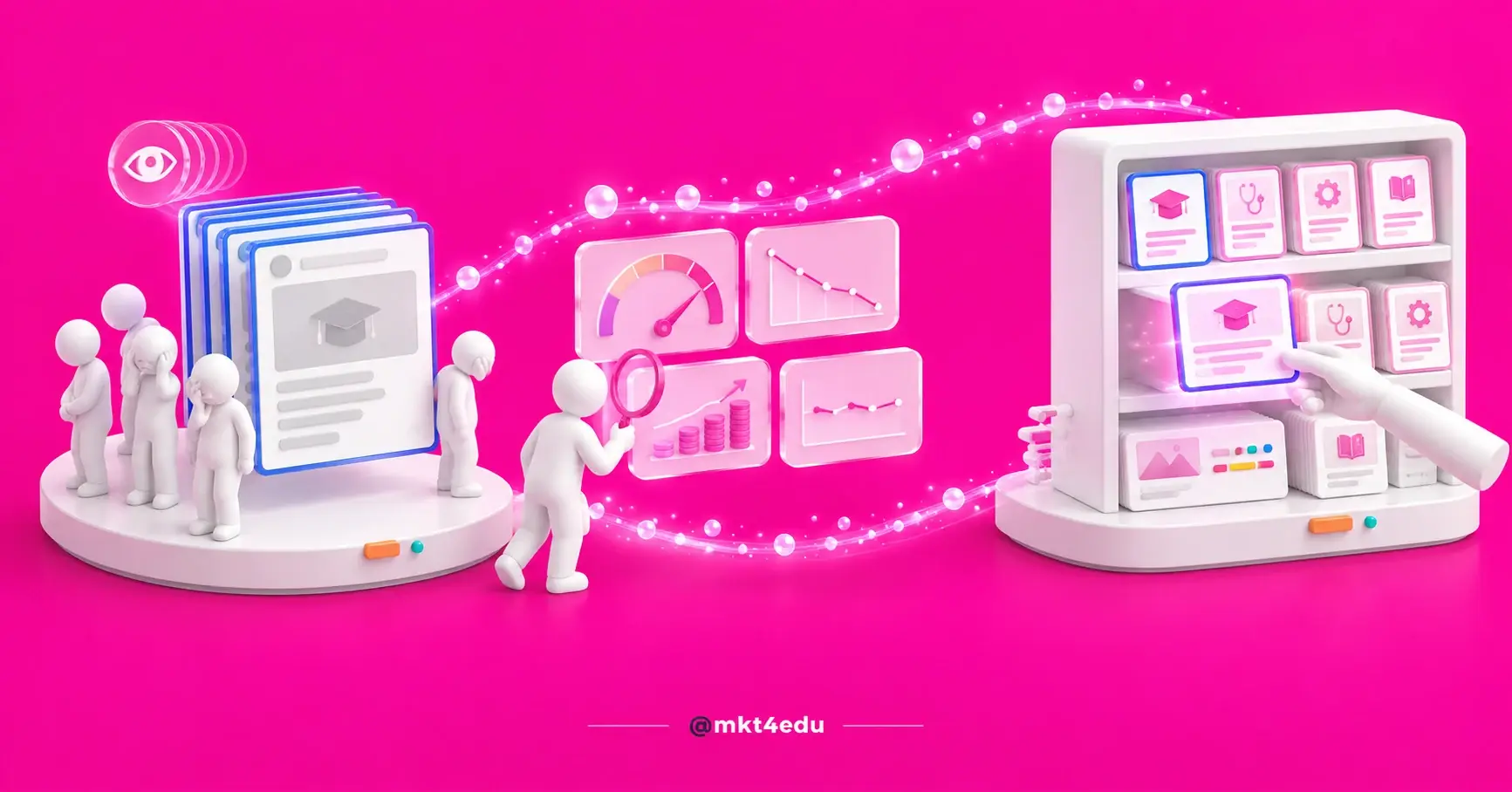
Caption: Joining forces is key to face image crises with strategy and agility on social media.
5. Own up to mistakes made
Acknowledge any errors on the institution's part. Nobody is perfect and even big companies make mistakes, refusing to take responsibility is never a smart idea. If you made mistakes, you should admit it and apologize and make amends (with a change requested by the person giving the negative feedback). People appreciate companies that acknowledge their mistakes and take full responsibility for them.
Summary: A crisis on social media asks for a fast answer, a close watch, and words that show you care. For a school, three things matter: own the mistake, skip the canned reply, and have a crisis plan ready. Being open and truly listening is what keeps your name intact and shows students you are there.
Do you want to know more about the presence of educational institutions on social media? Check out our post about "Inbound, social networks and entrance exams: what can't be missed"!

How to handle image crises on educational social media?
What is the first step in dealing with a social media reputation crisis?
The first step is to have a pre-established crisis management plan. It should include response protocols, spokesperson designation, and staff training to ensure fast and consistent actions during key situations.
Why is constant social media monitoring so crucial?
Monitoring allows institutions to catch issues early. This enables a quick and thoughtful response to criticism, showing empathy and preventing isolated problems from escalating.
How should institutions respond to negative student comments?
With speed, empathy, and personalized replies. Never ignore or delete criticism. Instead, acknowledge the issue, respond calmly, and offer a solution. This reinforces the institution’s credibility and responsibility.
Is it wise to admit mistakes publicly?
Yes. Publicly acknowledging mistakes and presenting corrective actions shows maturity and transparency. It builds trust and prevents further reputational damage.
What is the best approach to avoid worsening a crisis?
Avoid automated replies, be transparent, foster open communication, and set up a multidisciplinary crisis committee. Humanized service and proactive strategies are key to mitigating negative impacts and keeping public trust.


























 Portugal